
We are proud to announce that we are a Privacy Awareness Week 2021 Partner. Here are some tiles to help you protect your privacy





For more information go to www.oaic.gov.au/paw
Antiques and Collectables
We are proud to announce that we are a Privacy Awareness Week 2021 Partner. Here are some tiles to help you protect your privacy
For more information go to www.oaic.gov.au/paw
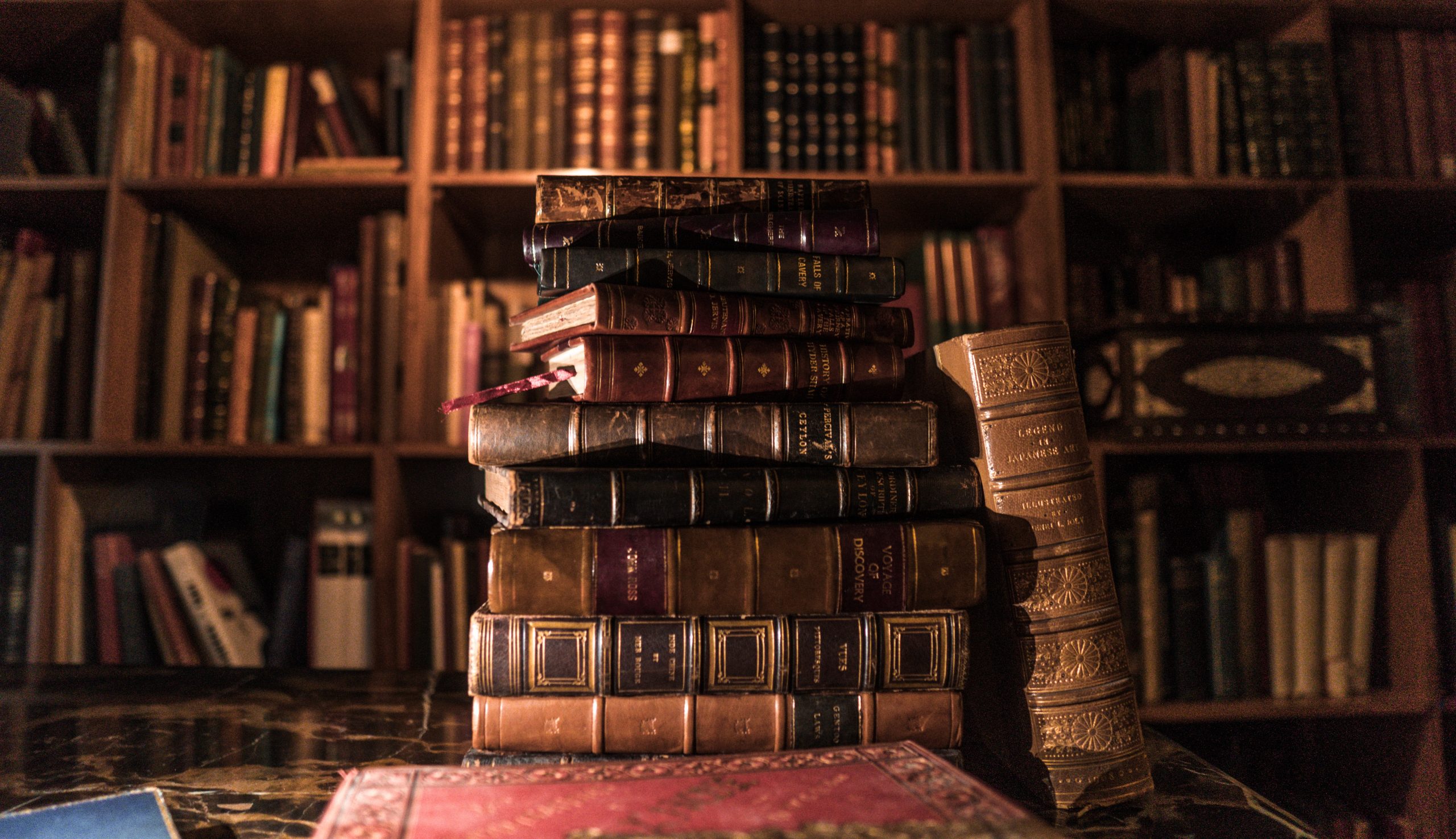
Did you know that your old books could hold more than just sentimental value? If you have some lying around your home, it could be worth conducting a quick check to see if you’re in possession of a valuable antiquarian specimen.
To begin with, you’ll need to familiarise yourself with the layout of your literature in order to track down the useful details. Begin by carefully opening your books to their copyright page and title page. From here you’ll be able to determine the year of publication, print edition, and any other specific, identifying details.
You can even enter these details into an online catalogue to track down any pertinent information regarding your antique book’s scarcity or uniqueness.
Now that you have majority of the key information before you, it’s time to figure out how these factors impact the value of your antique book.
The condition is usually the key determinant in your book’s value. Heavily worn books with substantial damage are going to have negligible financial value no matter how old or rare they may be. Assessing the technical quality of your book is almost an artform, with plenty of jargon used to describe certain signs of wear. It’s worth consulting an online resource to explain the signs to look for – such as staining, binding, tears, discolouration and splotching – and their exact impact on value.
As a general rule of thumb, the first edition of a book will hold more value than any later editions (unless there were limited edition or collector’s editions released later). If your old books contain features like a signature from the author or a rare author’s note, their value will increase further.
Most old hardcover books, particularly those from the 1900s, will have been initially sold with a dustcover. If you’re still in possession of the original dustcover, you can expect to see an increase in your book’s value. Conversely, a missing dustcover can prove costly.
As with any collectable item, the rarity or scarcity of your publication will play into how much it can fetch. If the market is saturated with identical copies, unfortunately the value of your own piece will be considerable diminished. If you’ve consulted online catalogues and believe your book is particularly rare, it could be worth organising an expert appraisal.
If you aren’t confident of your appraisal or you’d like to seek a second opinion, there are professional resources available. Heading online to an old books marketplace can often help. An online marketplace allows you to input the publication details and receive an estimate of its value. You can also browse through similar publications to gain a rough approximation on what you could receive.
Alternatively, you can take your book to an expert for a formal appraisal. Be mindful that this will typically incur a fee. So, you’ll want to be confident that your books’ value is worth the upfront costs.
Grandfather clocks make a showstopping addition to any interior design plan. Beyond being a striking timepiece, they can hold their value well if you manage to get your hands on an authentic antique grandfather clock.
So how do you weed out the duds from the genuine antique crafted clocks? There are a few key features to keep an eye out for to ensure you’re purchasing a top quality piece.
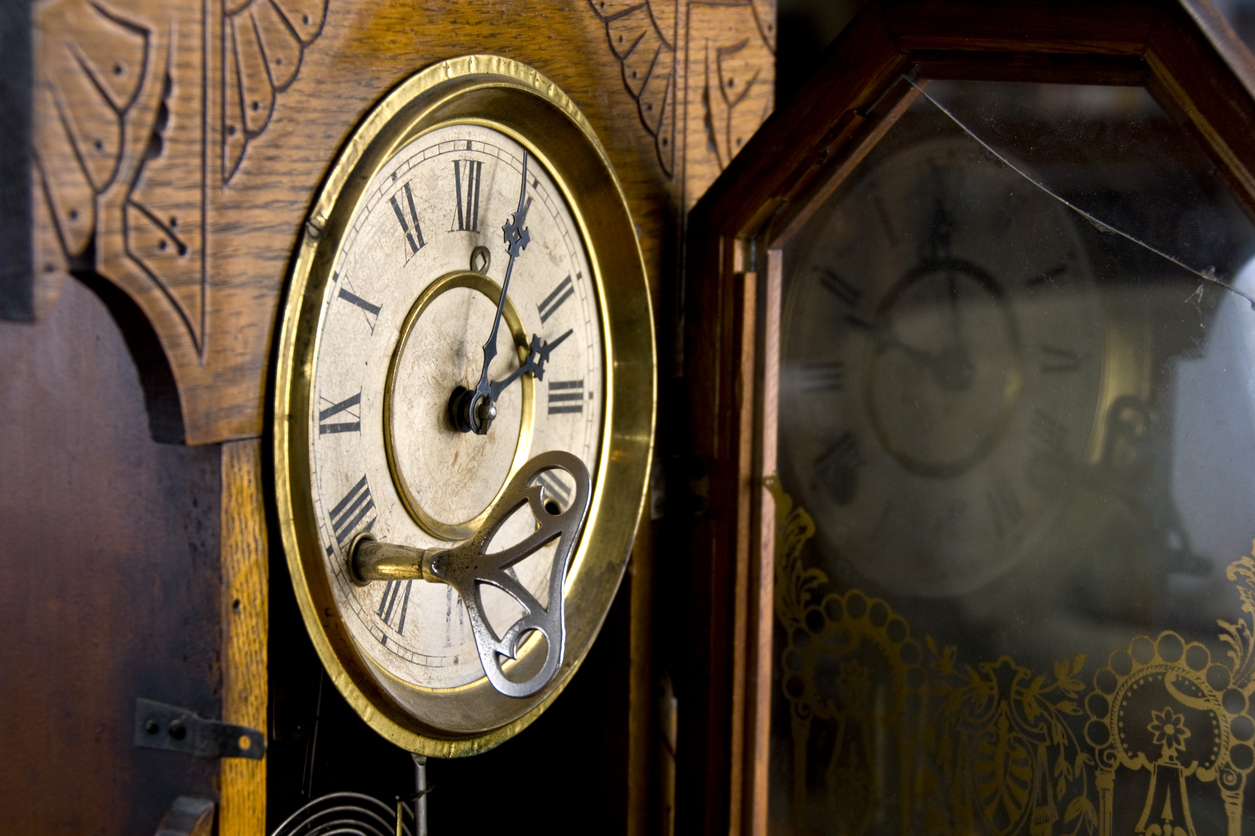
A dead giveaway for contemporary grandfather clocks is that they will often be crafted from metal or blended materials. This can provide a more polished and modern look which can be desirable in more contemporary homes. However, these particular grandfather clocks will not hold any antique value.
Authentic antique grandfather clocks will almost always be crafted from wood. If your clock happens to feature solid parts such as bronze or gold, you will find it fetches a far higher price. Solid workmanship and detailed finishes will also add value to any antique, but particularly a grandfather clock due to its functional purpose.
We might seem as though we are stating the obvious here – but yes, we are suggesting your clock should be capable of telling the time. More specifically, the best antique grandfather clocks should be able to tell the time accurately.
Old clocks can sometimes begin to run slow, which in turn affects their chiming. On the flip side, grandfather clocks that have been kept in mint or excellent condition should be capable of telling the time correctly. If you want to see any return on your purchase of an antique grandfather clock, make sure you select one that isn’t chiming at obscure times.
The benefit of identifying antiques today is the access to online resources which can help determine an item’s value. To identify your particular grandfather clock, you’ll need to find the manufacturers name, plus any trademark or copyright markings. These may be found on the dial or further inside on a prominent part of the clock.
Once you’ve identified the make of your clock, you can punch the details into an online database to get an estimation at the value and authenticity of your piece.
There are three prominent European grandfather clock styles. Being aware of the distinct features of each will allow you to determine the authentic antiques from the cheap imitations.
The first is the Comtoise which is one of the earlier grandfather clock designs. It features a long cabinet with a ‘pot-belly’ centre. The second style is a Bornholm which is more rectangular and often features white wood with gold trimming. The third style, the Mora, shares similarities with the Comtoise. However, the Mora is typically more curved in its edging and top, with a substantial ‘skirt’ beneath its cabinet. Knowing your Borhnholms from your Moras will provide more insight into your purchases. Plus, sellers may be more inclined to negotiate reasonably.
Wondering how to style vintage furniture?
Did you know that having a modern home interior does not cut you off from styling with vintage furniture? In fact, contrasting elements can create a striking appeal in a space that could otherwise appear monotonous.
This means it’s the perfect excuse to get your hands on that ornate French mirror you’ve been eyeing off. Our simple guide to styling vintage furniture in a modern home will have you interior designing like a pro in no time.
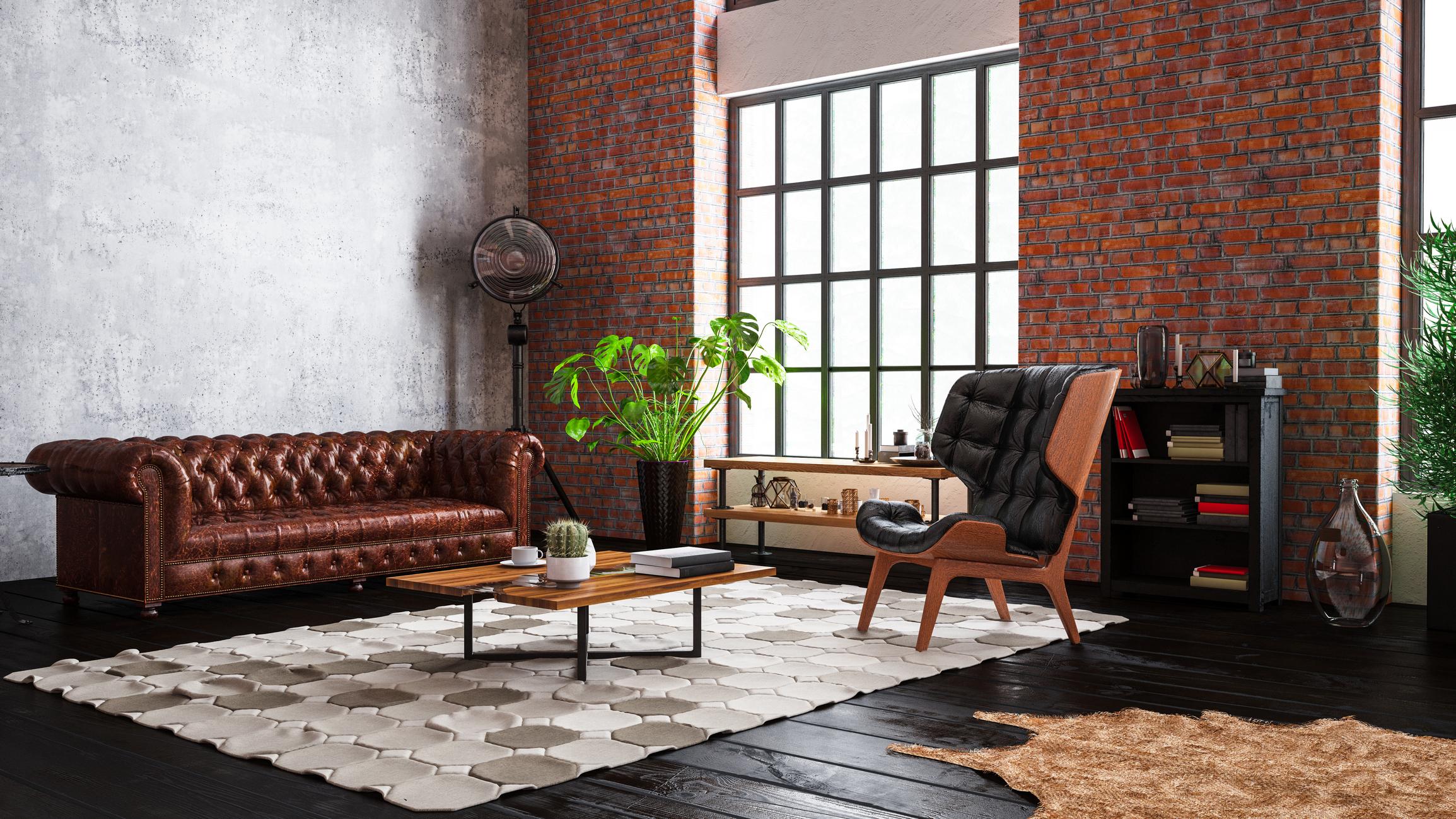
The key to blending vintage furniture with modern styling is knowing how to contrast without creating a space that looks confused. Rather than trying to go to bold with your choices, stick to contrasting materials and colours. Think textured vintage rugs in a minimalistic modern living room to inject character into the space. Alternatively, pair your vintage furniture lounge with a contemporary coffee table. Play with rich vintage hues and bold modern tones to find the blend that works in your home.
A failsafe way to incorporate vintage furniture into your contemporary home is with ornate mirrors. Decorative antique mirrors with intricate frames pair beautifully in modern spaces. The bigger the better with these additions too. Their metallic framing and ability to open up a space allows modern and vintage to meet in a subtle yet affective manner. Vintage mirrors can be found with a quick ‘used vintage furniture near me’ search. You’ll uncover your local vintage furniture supplier in no time.
Working strategically with accessories can allow you to seamlessly incorporate vintage furniture into your modern home. Got a vintage console table that you can’t bring yourself to let go of? Try styling a collection of modern décor pieces atop it. This will allow your vintage detailing to be showcased without having the furniture stick out like a sore thumb.
You can apply the same rule to coffee tables, mantelpieces and bookshelves. On the flip side, try accessorising with vintage furniture pieces such as cushions, books or ornaments. This allows you to bring subtle touches of vintage charm into your modern home without being overwhelming.
There’s no use trying to crowbar your extensive collection of vintage furniture into your new modern home. You’ll need to think carefully about which pieces will actually work in your space.
In most cases, you’ll be working with a predominately modern interior design style to incorporate vintage elements. Is this through singular focal vintage furniture pieces? Or would you be better served by pair or collating a collection of vintage elements in an arrangement? Is there a colour theme you can work with the blend your old and new items under a shared colour palette?
Lay out some basic guidelines to follow and it will allow you to achieve a more flowing feel to your home and its vintage furniture. Whether you’re boasting the best vintage furniture in Melbourne or styling your favourite vintage furniture in Sydney, your modern home holds potential for it all. Learning how to style vintage furniture doesn’t have to be hard: you just need to stick with it.
Restoring antique furniture doesn’t have to be difficult—our beginner’s guide is here to help!
So – you’ve got your hands on a one-of-a-kind antique furniture piece or maybe a vintage mirror, but it’s looking a little worse for wear? Rest assured, there are some simple hacks to bring your unique find back to life with a little TLC. Whether you’ve developed a newfound appreciation for antique furniture, or you’re an avid collector – our tips will have you revitalising your prized pieces in no time.

Before you set to sanding, staining or stitching your piece back to its former glory, you’re going to need to give it a good clean. It’s important to proceed with caution at this point. Many household cleaning agents contain harsh chemicals which can worsen the condition of your genuine antique furniture piece. The right cleaning solution will depend on the material you’re working with. For wood, wicker and rattan, an oil based wood cleaner works well to lift dirt, grime and wax. Wipe with a cloth or rag, using a separate cloth for cleaning and then drying.
Before you rush in with metallic paint and a hack saw, take a moment to consider what your intention for your antique piece is. Often over-restoring or intense makeovers of a piece will destroy the value of your antique furniture, along with its unique beauty. Minor signs of use and wear are expected from old furnishings and can actually add to the charm of an item. If your antique furniture isn’t too damaged, a good stain or refinish should be enough to bring it back to life.
If your antique furniture piece is broken or damaged, you may need to repair it to get any functional use out of it. Sometimes a missing chair leg or structural element will need custom making to be replaced. This will usually require some professional intervention, so consider how much you are willing to invest in repairing your genuine antique furniture before purchasing it.
Other smaller fixes are very manageable for the DIY novice. Small cracks can be filled in with putty, while breaks and minor joint damage can be solved with wood glue. Hide glues should be your best friend when restoring antique furniture. This is simply because they are reversible, so you can dissolve and re-join the parts down the track.
The final (and most satisfying) step to restoring your antique furniture is to give it a new coat or stain. You may want to paint your antique piece to blend it with the existing furnishings within your home. Just be wary that this will essentially nullify the value of your antique furniture as you’ve severely changed its appearance.
anFor simple restoration, most will opt for a stain or finish that mirrors the original look of the piece. There are various finishes to choose from. Shellac is popular and protective, but bear in mind it is not water, heat, or alcohol proof. Lacquer, varnish or polyurethane will protect the wood while also providing an attractive stain.